Character Is More Than Age

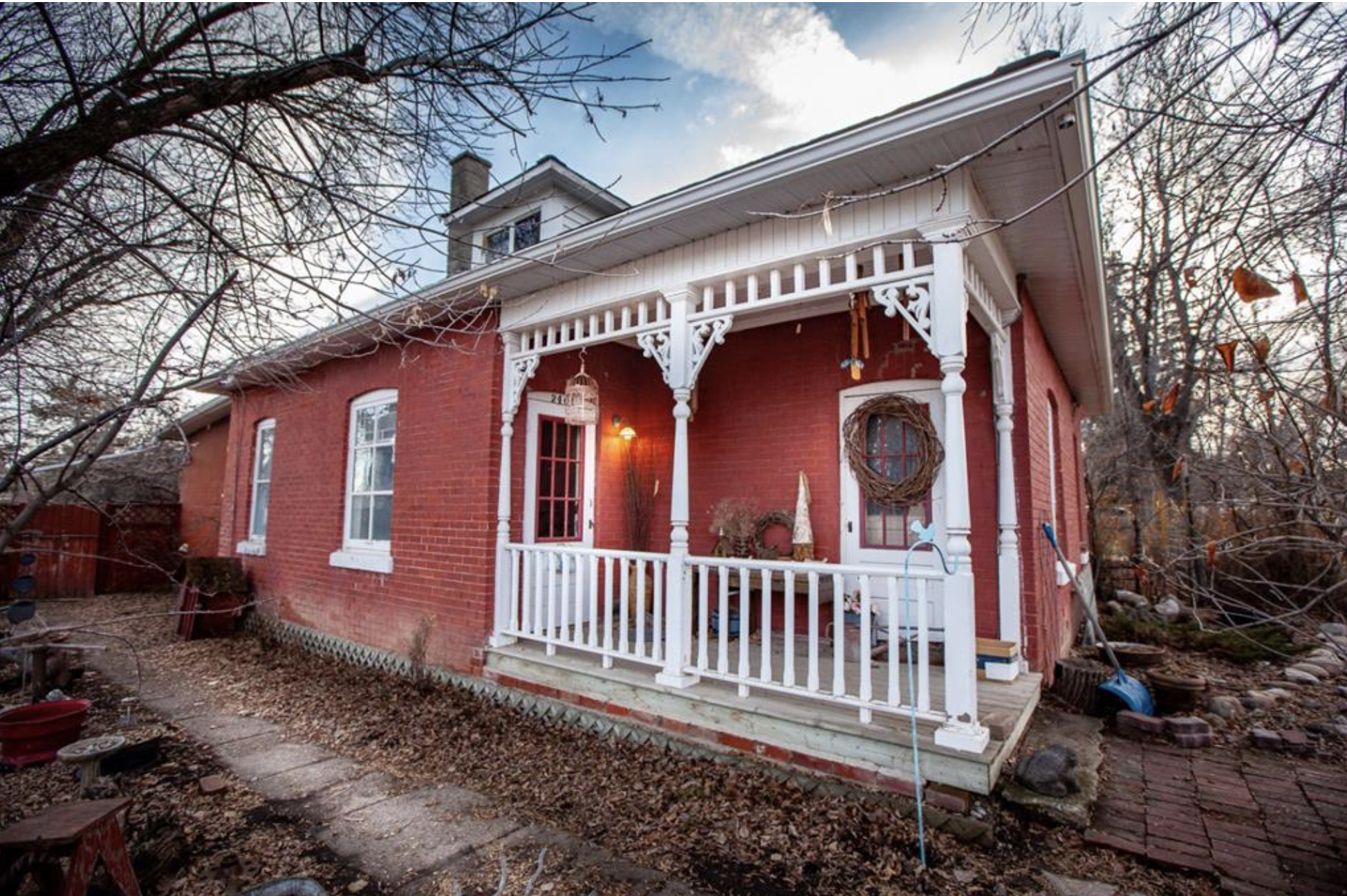
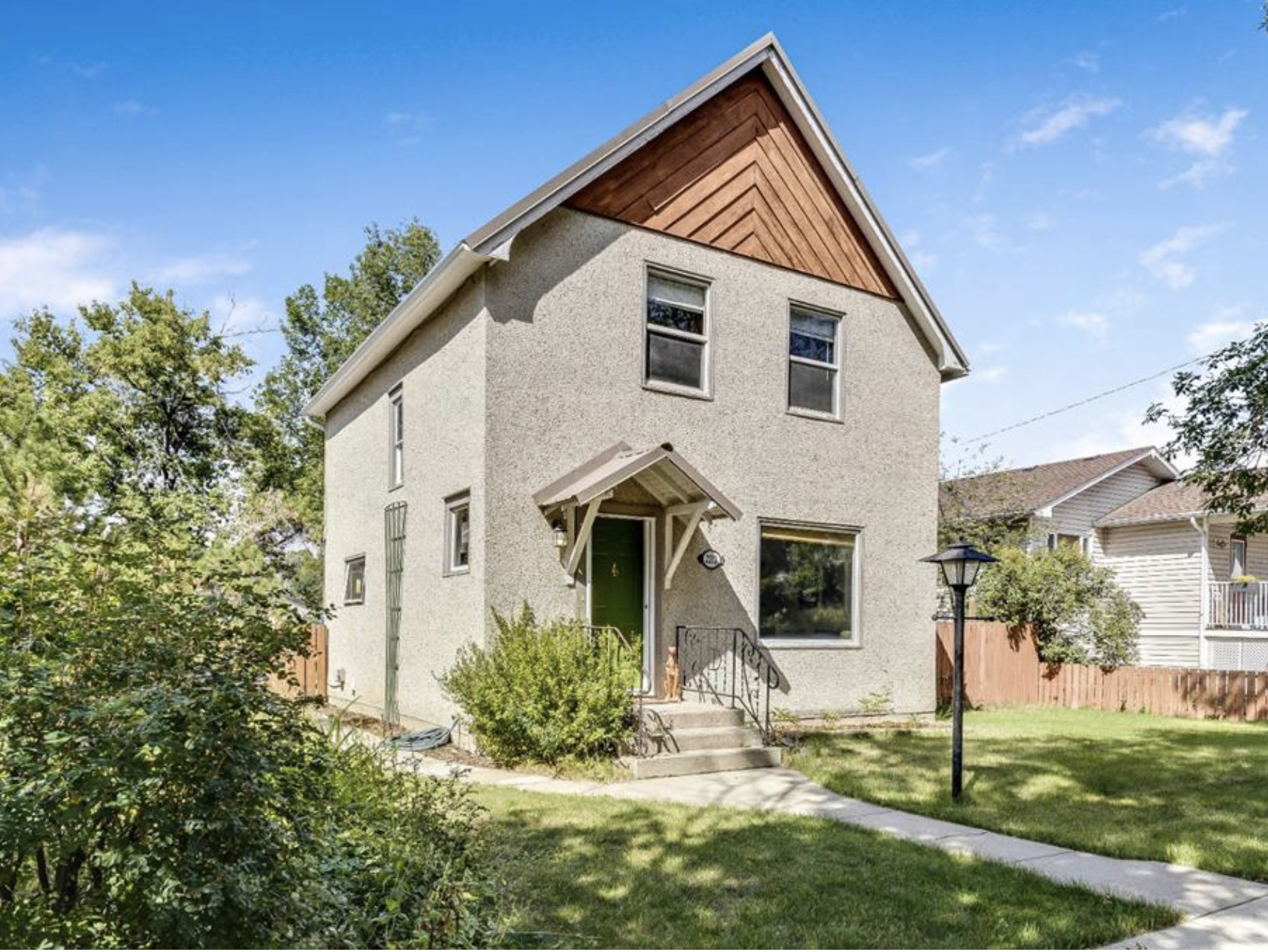
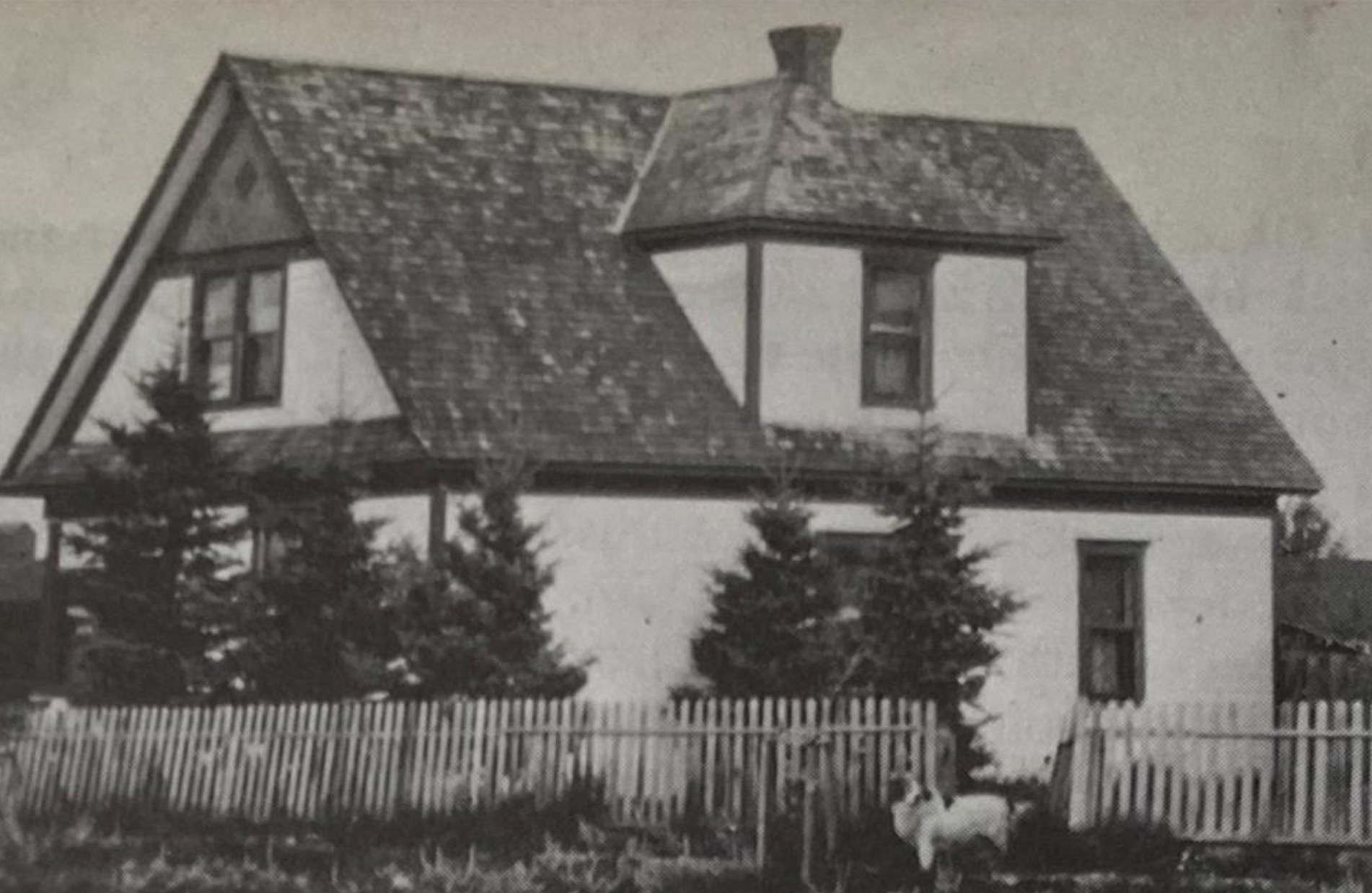
For us, a character home is one where you can still read the era in the house.

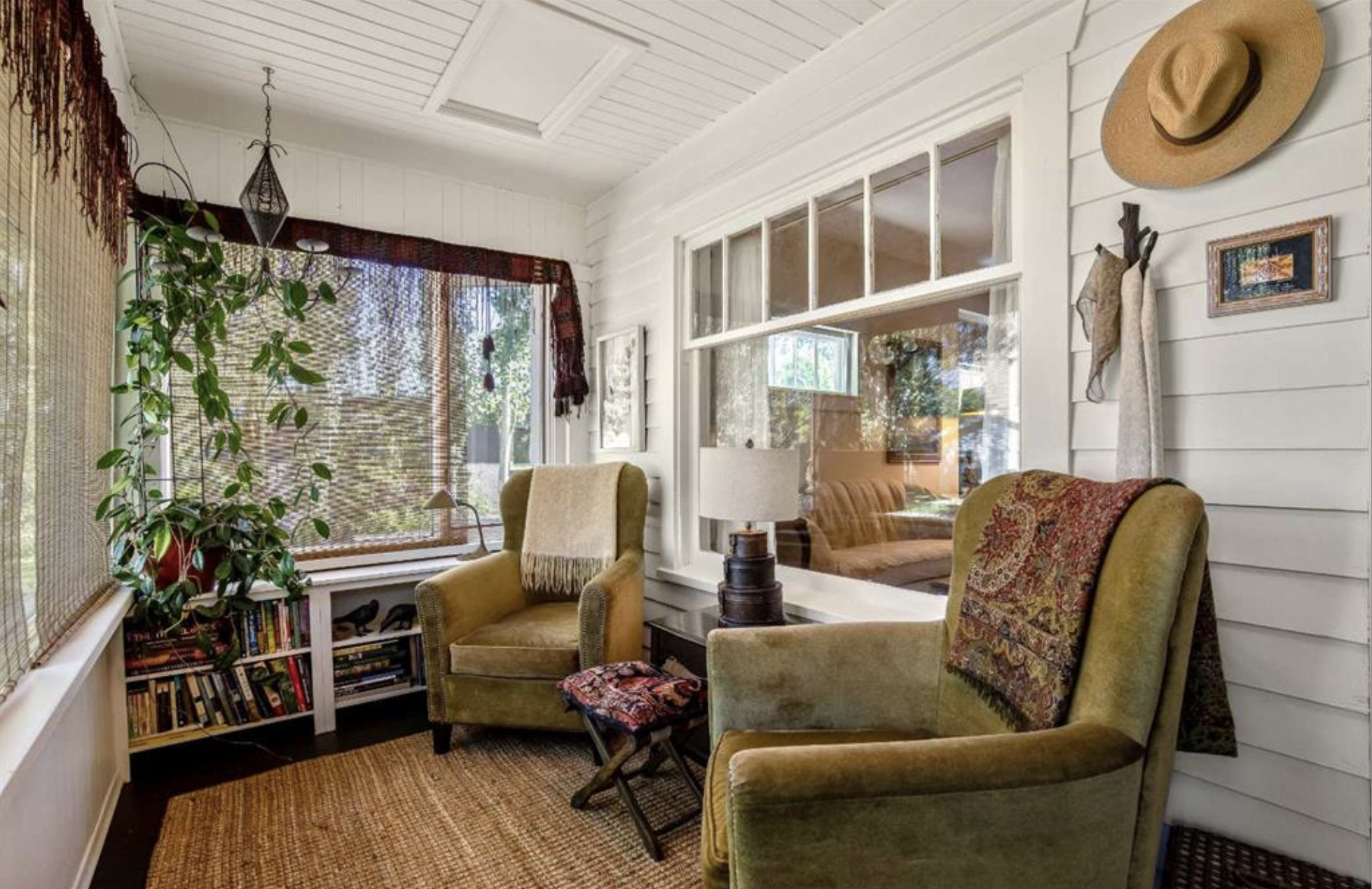
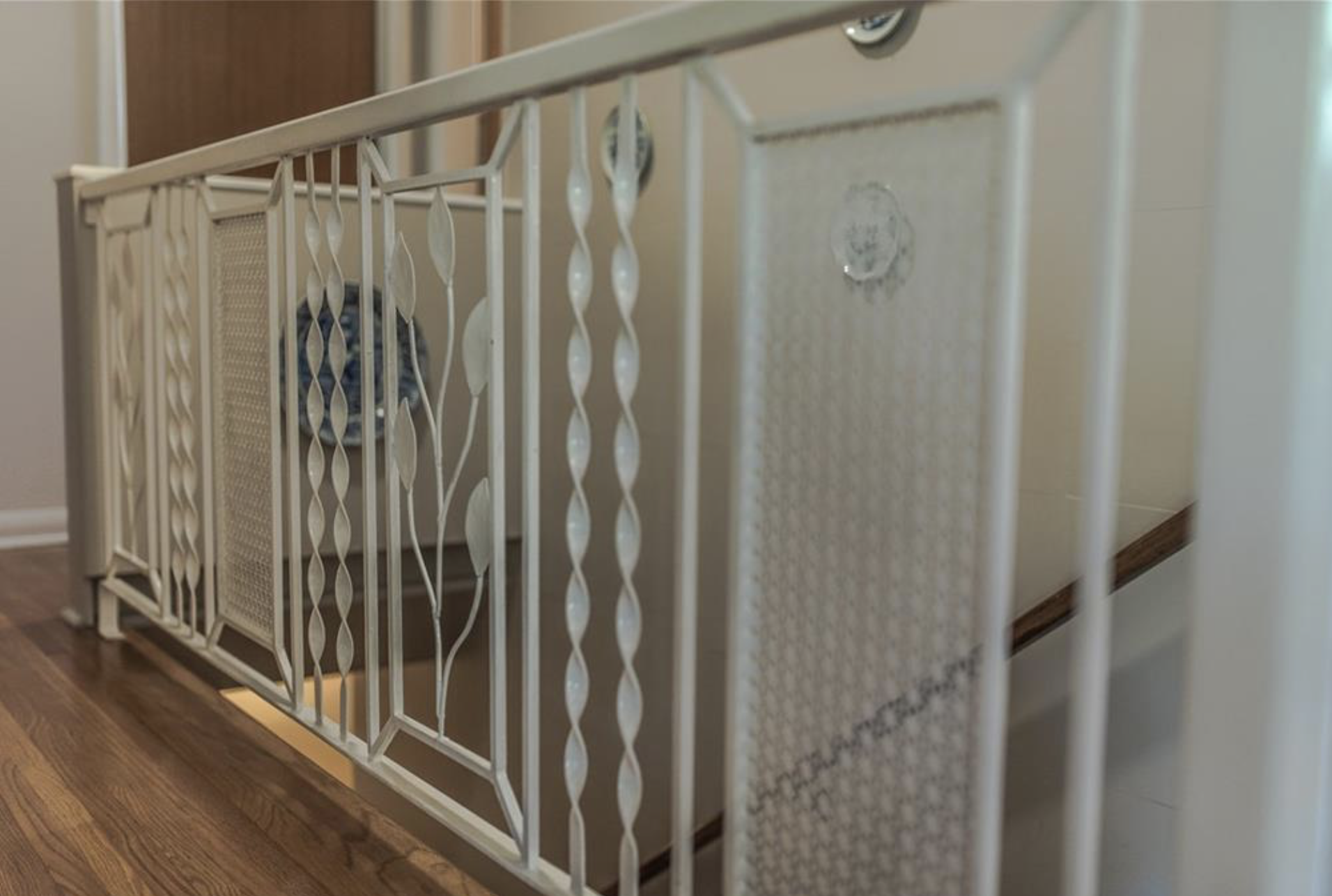
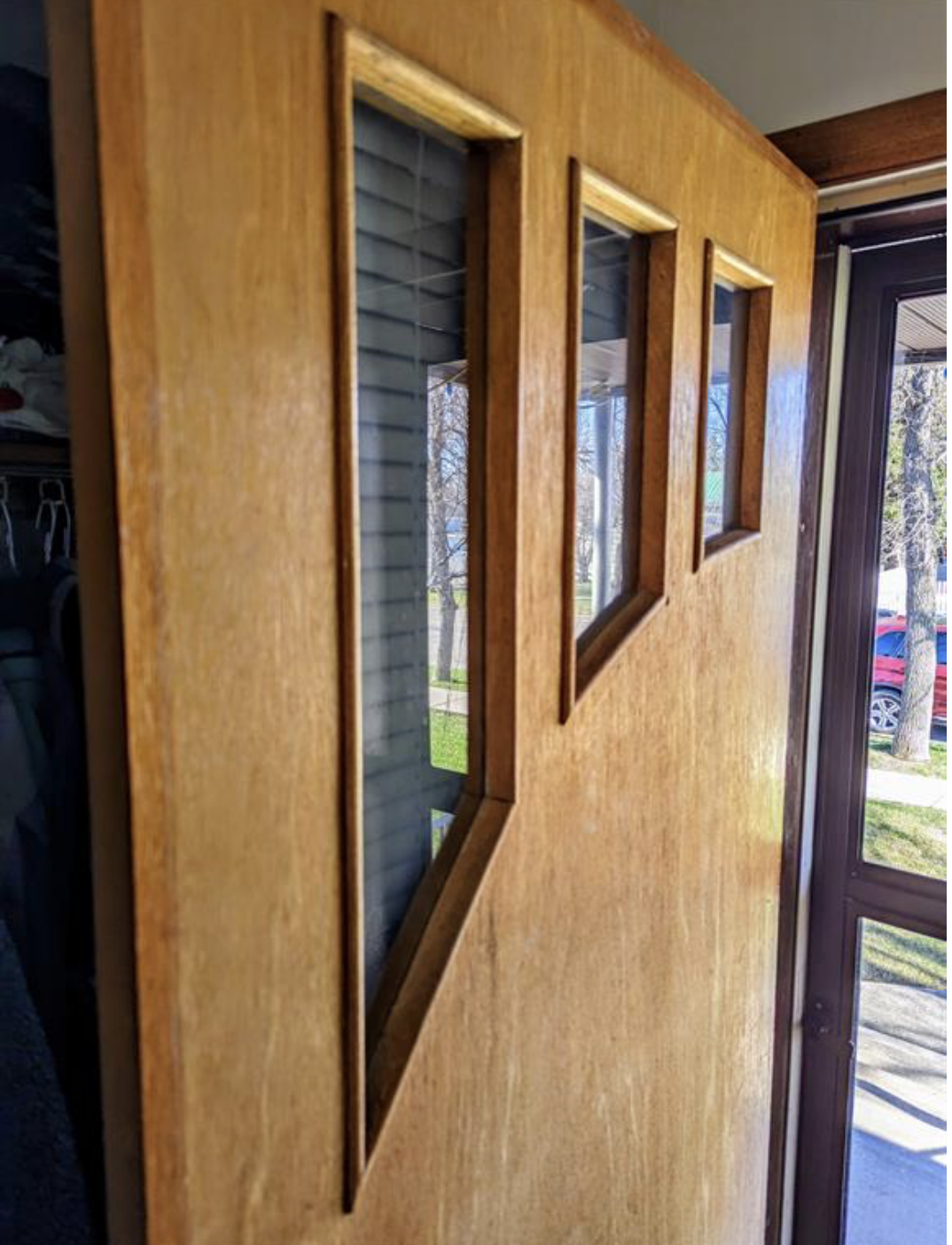
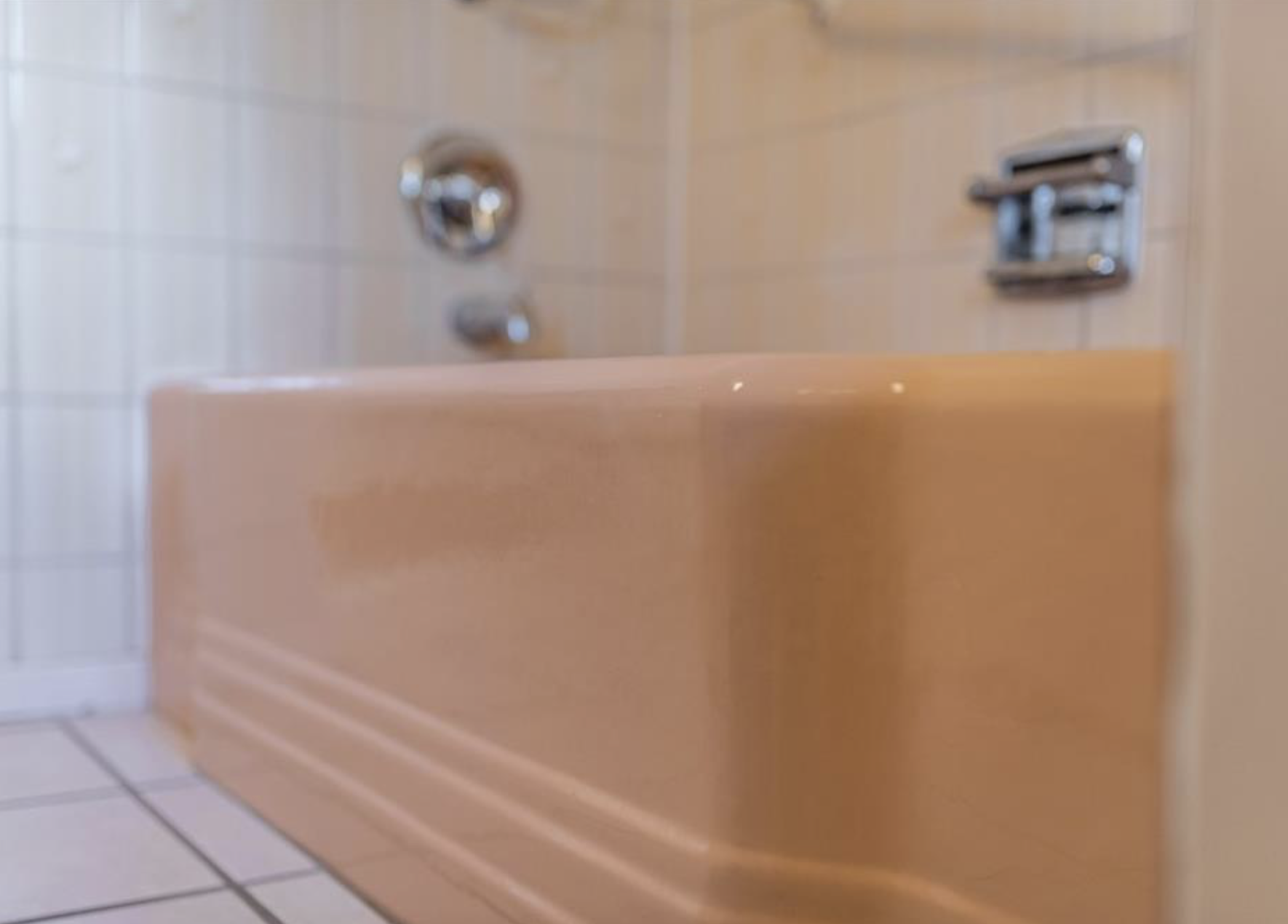
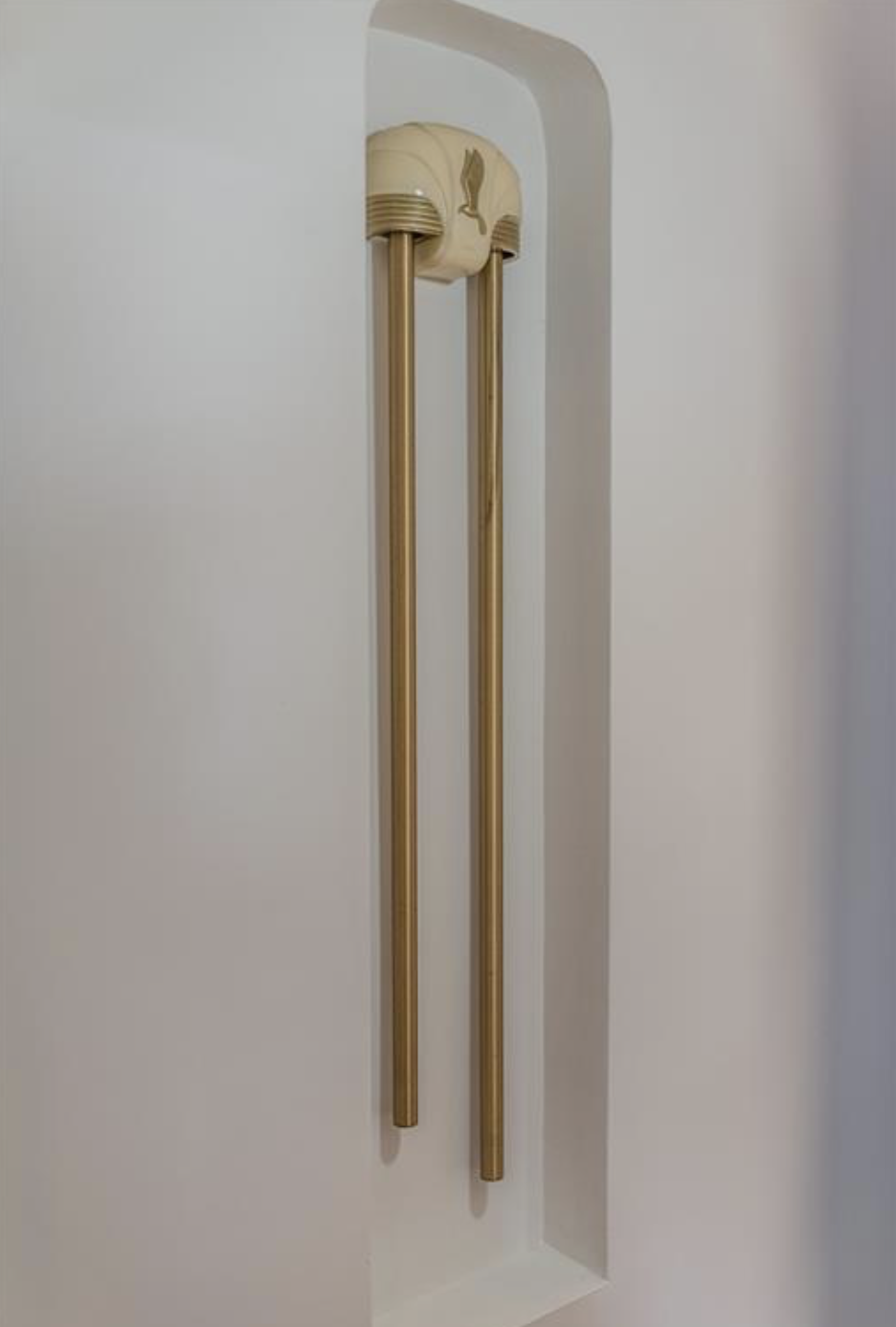
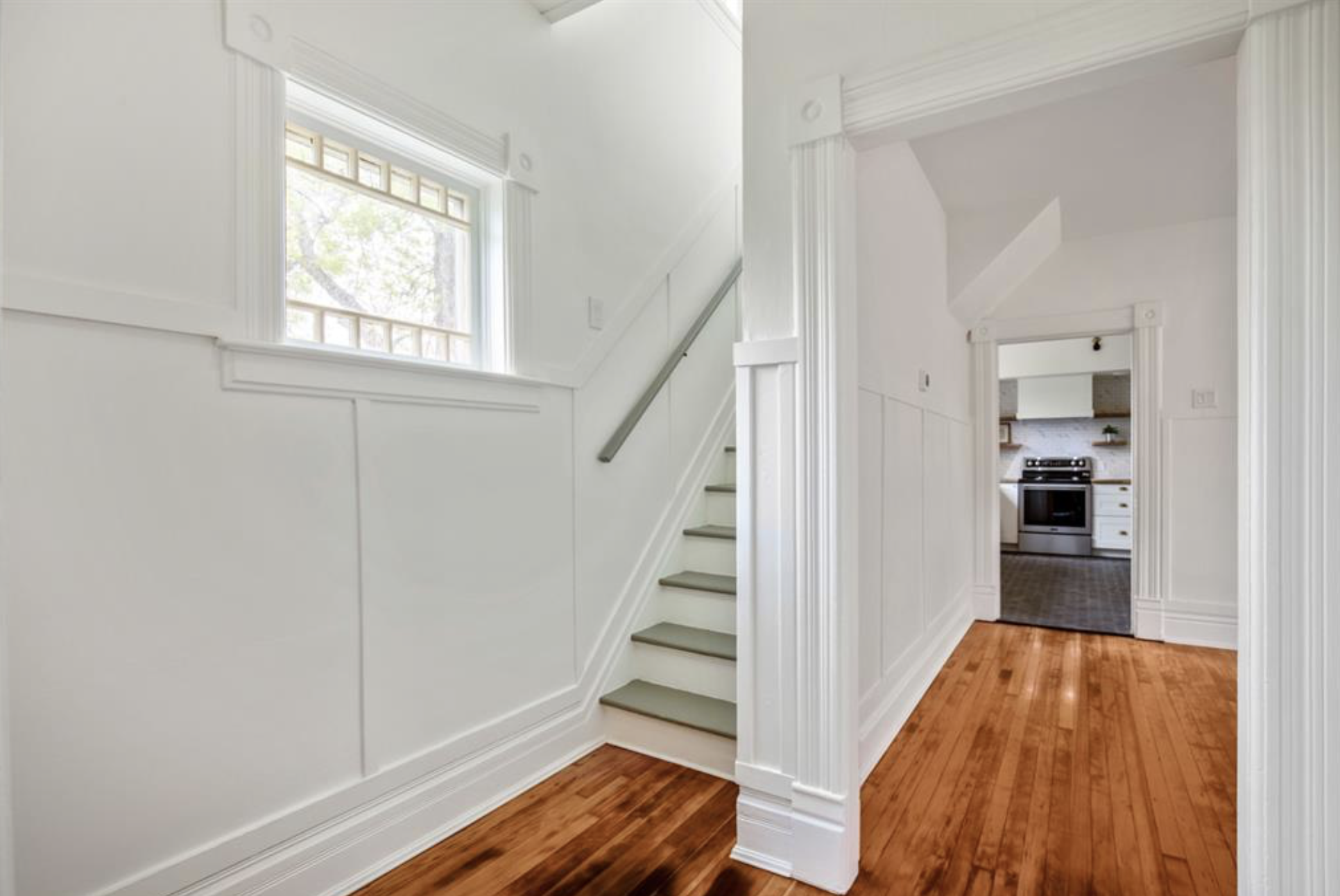
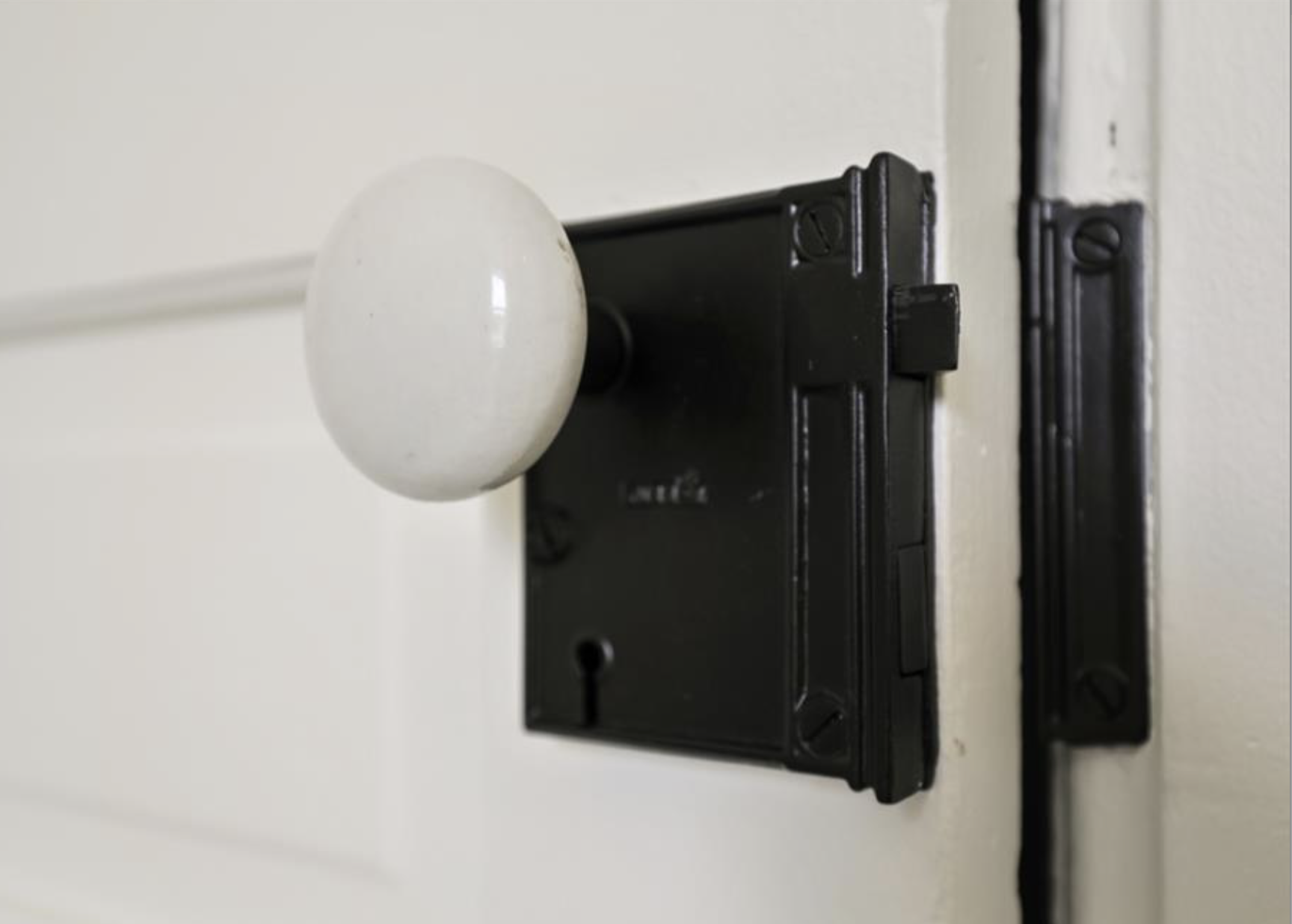
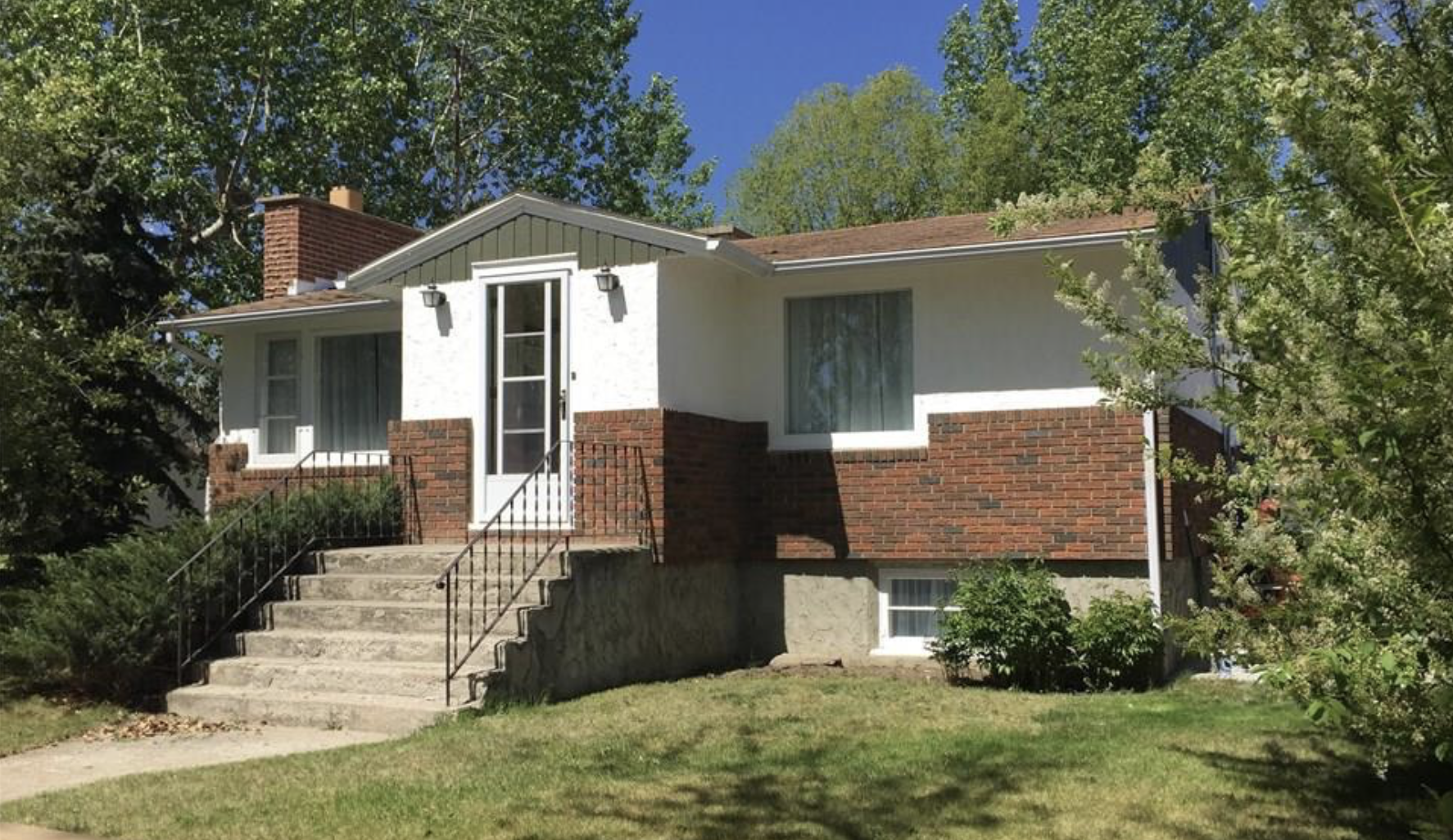
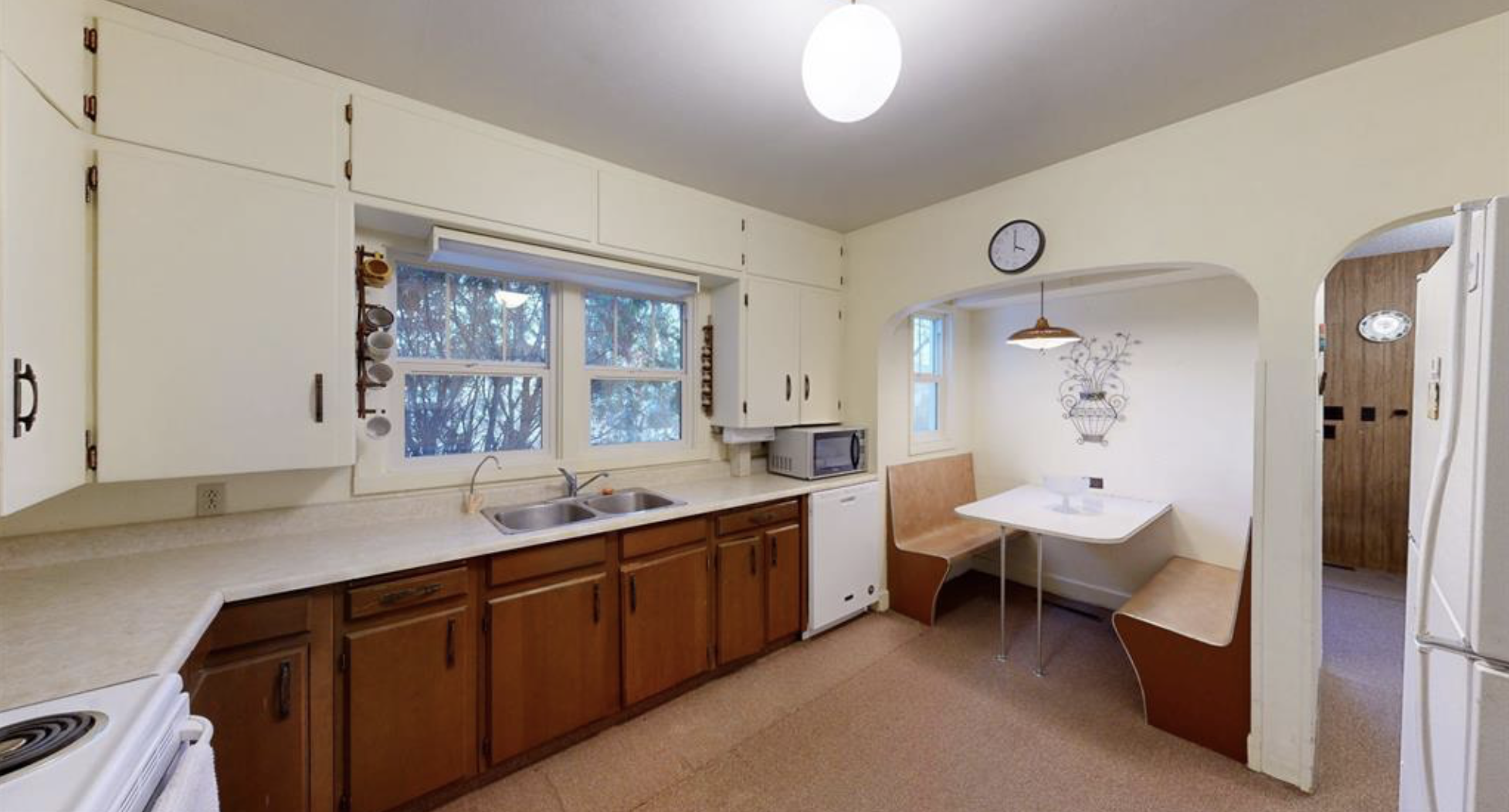
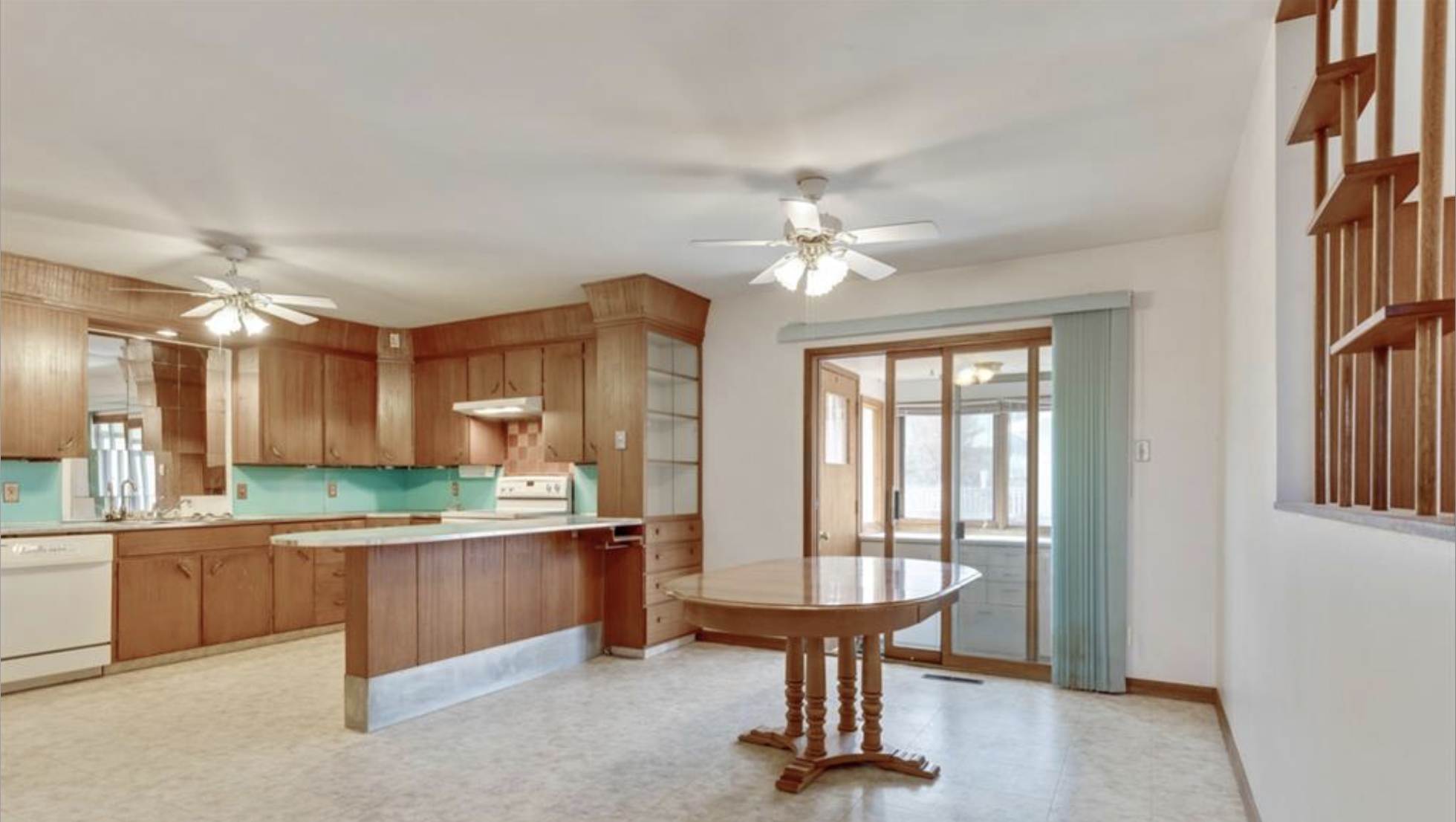
It might be century-old sash windows, original doors, oak or fir millwork, plaster walls, built-ins, brick fireplaces and fieldstone foundations. In another decade it could be a low-slung roofline, expansive glazing, natural wood, terrazzo, brick or the purposeful simplicity of mid-century modern design.

Character comes from the details, materials, proportions and craftsmanship that make a home distinctive—not simply from being old.

Heritage Calgary similarly identifies form, scale, massing, materials, windows, construction, ornamental features and other architectural details as potential character-defining elements. 

Character & Inventory Properties

A home may have wonderful character without any legal heritage designation. Calgary's Inventory of Evaluated Historic Resources recognizes properties with established heritage value, but Inventory inclusion generally does not itself legally protect or regulate the property.

Designated Heritage Properties

A Municipal Historic Resource has been formally designated. Specific character-defining elements become legally protected, demolition is prevented and changes to regulated historic elements require Heritage Planning involvement. The property can still be occupied, bought and sold normally.

Before buying, selling or planning renovations, we first want to understand what the home's actual heritage status is not assume based on its age or appearance.

Old Doesn't Automatically Mean Defective

Respect the age. Inspect the condition.

A dirt-floor basement, a fieldstone or rubble-stone foundation, old-growth framing or a century-old window does not automatically make a house problematic.

Some of these homes have been standing successfully for 80, 100 or even 150 years. What matters is how the building is performing today.

With an old stone foundation, for example, we are more interested in movement, moisture, drainage, deteriorated mortar and inappropriate previous repairs than simply the fact that the foundation is stone.

The same applies throughout an older home: different is not necessarily defective.

At the same time, longevity is not proof that everything is fine. Parks Canada's conservation guidance specifically emphasizes investigating existing condition, maintaining drainage away from foundations and repairing sound historic structural systems rather than automatically replacing them.

We don't want buyers frightened by a house simply because it was built differently. We want them to understand how it was built and whether it is functioning properly.

The Right Home Inspector Matters

When buying an older home, we strongly recommend choosing a licensed Alberta home inspector with substantial experience inspecting homes of a similar age and construction. Alberta specifically advises buyers to ask inspectors about their experience, qualifications and background, not simply whether they are licensed. 

An older house should be assessed in context. The objective is not to expect a 1910 home to have been built like a modern house; it is to distinguish normal characteristics of older construction from genuine deterioration, safety concerns and costly problems.

Foundation, Basement & Moisture

Stone or masonry foundations and even dirt-floor basements should not automatically frighten a buyer. We want an experienced inspector looking for movement, deterioration, moisture, drainage, grading and inappropriate previous repairs. Parks Canada's conservation guidance similarly emphasizes condition, drainage and repair of serviceable historic structural systems rather than replacement simply because they are old.

Electrical Systems

Older homes may contain legacy wiring, older panels or limited electrical capacity. The important questions are what remains, what has been upgraded, whether the installation is safe and whether further specialist assessment is recommended.

Plumbing & Sewer

Look at supply and drain materials, including older galvanized plumbing, water pressure, visible corrosion and the age and condition of the sewer line. Depending on the property, a sewer scope can be worthwhile.

Roof, Attic & Building Envelope

Roof condition, flashing, ventilation, insulation, windows and signs of historic or current moisture intrusion all deserve attention. Older homes often behave differently from newer tightly sealed construction.

Previous Renovations & Structural Changes

Older homes may have been altered many times. Removed walls, additions, finished basements, changed windows and remodeled kitchens or bathrooms should be considered alongside available permits and the quality of the work.

Fireplaces & Chimneys

Original masonry fireplaces and chimneys can be wonderful features, but if they are intended for use, their condition may warrant assessment by an appropriate specialist.

For a character home, the inspector's experience with older construction can be just as important as the inspection itself. Different does not automatically mean defective, but it does need to be understood.

Insurance: Check It Early, Not After Conditions Are Waived

Older Homes Can Be Insured, but Ask Early

Heritage and older homes are generally insurable, but insurers may need substantially more information about the building, including its electrical, plumbing, heating, foundation and heritage status. A formally designated property can also cost more to repair or reconstruct because of conservation requirements. The Insurance Bureau of Canada recommends working with a broker familiar with heritage buildings and documenting the home's systems and upgrades.

Older Systems Are Questions, Not Automatic Deal-Breakers

Some items that deserve investigation include:

Knob-and-tube wiring It was common in older houses and may affect insurance availability. Insurers often want detailed information or upgrades. 

Galvanized plumbing Older galvanized supply lines can corrode internally, reducing flow and increasing leak risk. Some insurers may require replacement, modify coverage or apply a higher water-damage deductible. 

Stone foundations Their presence alone does not determine insurability; condition, maintenance and moisture protection can matter. Some insurers specifically ask about the condition and waterproofing of older stone foundations.

Renovate the Home—Don’t Erase It

There is a difference between making an older home work for modern life and stripping away the details that made it special in the first place.

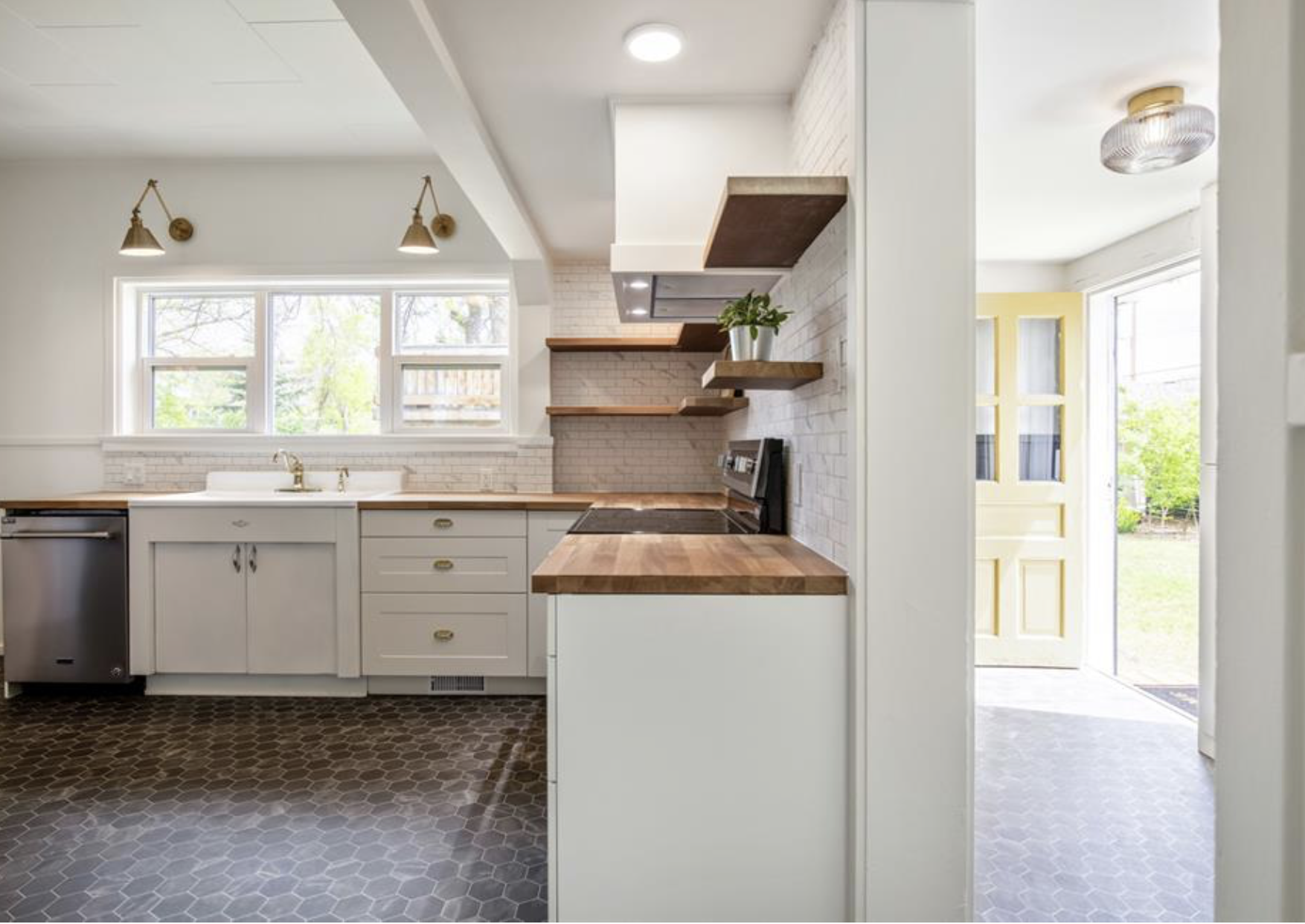
We appreciate thoughtful updates, better kitchens, bathrooms, heating, electrical systems, insulation and functionality, while preserving the materials, craftsmanship and proportions that give a character home its identity.

Know What Is Worth Keeping

Before removing original windows, doors, millwork, built-ins, hardwood, fireplaces, plaster or masonry, ask whether the feature can be repaired, adapted or incorporated into the renovation.

Many of these details are difficult and expensive to recreate once they are gone.

Modernize Sympathetically

A successful renovation does not need to look old-fashioned. New kitchens, bathrooms, lighting and additions can be contemporary while still respecting the scale, materials and architecture of the original house.

Repair Before You Replace

Canada’s national conservation standards recommend minimal intervention and repairing character-defining elements rather than replacing them when practical.

Check Heritage Status Before Starting

If the property is a designated Municipal Historic Resource, Calgary requires Heritage Planning involvement and approval before certain protected historic elements are altered. Designation does not prevent normal renovations, but it can affect how specific character-defining features are treated.

Sometimes the most valuable renovation decision is knowing what not to remove.

Selling a Character Home Means Telling Its Story

We don’t believe a home built in 1912 should be marketed like one built in 2012.

When we represent a character or heritage home, we want buyers to understand why the details matter, the original windows, woodwork, fireplaces, built-ins, craftsmanship, architectural style and the way those features reflect the era in which the home was built.

Tell Buyers What Makes It Different

A character home is more than its square footage and number of bedrooms. We look at its architecture, materials, original features, renovations and, where possible, its history to identify the things that make the property genuinely distinctive.

Heritage Calgary similarly evaluates historic places through their architectural form, materials, windows, ornamental details, craftsmanship, history and other character-defining elements

Photograph the Details

The old wood windows, substantial millwork, original doors, hardwood floors, brick or stone fireplaces, built-ins and mid-century details deserve deliberate photography.

Those details may be exactly what attracts the buyer who has been waiting for a home like yours.

Research the Story Where We Can

Sometimes the history of the property, its original owners, architect, builder or connection to the neighbourhood adds another layer to the home's story. Heritage Calgary's Inventory similarly records the history, heritage value and significant physical characteristics of recognized historic resources.

Explain What Has Been Preserved—and Improved

Buyers also want to understand the practical side of an older home. We highlight significant improvements to electrical, plumbing, heating, roofing, foundations, insulation and other systems while explaining which original features have been preserved.

We genuinely enjoy these homes. That appreciation affects what we notice, what we photograph and how we tell the story, because the right buyer often isn't simply looking for a house. They're looking for a home with character they cannot easily find again.

Valuing What Cannot Easily Be Recreated

Character homes rarely fit neatly into a simple price-per-square-foot formula.

Look Beyond Age & Square Footage

We consider the things buyers actually respond to: architectural style, original windows and millwork, fireplaces, built-ins, materials, quality of renovations, condition of major systems, lot, location and how much of the home's original character remains intact.

Heritage Calgary similarly evaluates historic places through features such as style, design, construction, materials, windows and other character-defining elements.

Choose the Right Comparables

The nearest recent sale is not always the best comparison. With a distinctive character home, we look for properties that buyers would genuinely have considered as alternatives—even if that means looking beyond the immediate block or neighbourhood.

The Appraisal Institute of Canada notes that unusual properties may require a wider search for genuinely comparable sales rather than simply relying on the closest transactions.

Consider Heritage Status & Future Potential

Formal designation, preserved architectural integrity, sympathetic renovations and future alteration or redevelopment options can all influence how different buyers perceive a property. Designated Municipal Historic Resources may have protected character-defining elements, while owners can still sell and normally use the property.

The best comparable isn't always the house next door. A character home's real competition is often the other property a buyer would fall in love with instead.

Experience With Homes That Don’t Fit the Standard Template

We understand the practical side of older homes, but we also genuinely appreciate what makes them special.

Understand the Home

We look beyond age and square footage to understand the architecture, materials, original details, renovations and heritage status of the property. Where appropriate, we also research available history and character-defining features.

Heritage Calgary evaluates historic resources based on factors including style, design, construction, materials and the stories connected to a place.

Help Buyers See Past the Age

Older construction can look unfamiliar. We help buyers distinguish between features that are simply characteristic of an older home and issues that genuinely deserve further investigation, while encouraging the use of inspectors and specialists experienced with older properties.

Protect What Makes It Special

When clients are renovating, we are happy to talk through what is worth preserving before original windows, woodwork, fireplaces, built-ins or other distinctive features are removed. For designated Calgary properties, certain historic elements may also be legally protected and require Heritage Planning approval before alteration.

Tell the Story When It’s Time to Sell

For sellers, we deliberately identify and photograph the details that make the home different. Where we can, we research its history and explain both what has been preserved and what has been thoughtfully updated.

Jennifer also holds a Heritage Home Specialist certificate, adding formal heritage-property training to the hands-on experience we have gained working with character homes.

We don’t simply see an old house. We see the craftsmanship, the era, the details and the story and we want the next owner to understand why those things matter.

Frequently Asked Questions

Data is supplied by Pillar 9™ MLS® System. Pillar 9™ is the owner of the copyright in its MLS®System. Data is deemed reliable but is not guaranteed accurate by Pillar 9™.
The trademarks MLS®, Multiple Listing Service® and the associated logos are owned by The Canadian Real Estate Association (CREA) and identify the quality of services provided by real estate professionals who are members of CREA. Used under license.